Small Voices, Big Stakes: Why children’s environmental health must be at the heart of global policies

By Kitty van der Heijden, Assistant Secretary-General and Deputy Executive Director, Partnerships; Abheet Solomon, Senior Adviser for Environment at UNICEF; Caroline den Dulk, Senior Advisor on Advocacy and Partnerships at UNICEF
Originally published in Environment: Science and Policy for Sustainable Development
The global climate crisis and widespread environmental degradation are no longer distant threats—they are clear and present dangers to the health and future of millions of children.
Throughout the world, children are experiencing the consequences of climate change and environmental degradation, often with life-altering consequences. The global climate crisis and widespread environmental degradation are no longer distant threats—they are clear and present dangers to the health and future of millions of children. In deadly confluence, rising temperatures and extreme weather, alongside toxic chemicals in our air, water, and soil, are undermining their most basic rights: their right to live, to grow up healthy, and to inherit a sustainable world. Examples of this reality are all around us.
In The Gambia, where inland temperatures can reach as high as 45°C, or 113°F, midwife Edrisa Sinjanka was noticing an increasing number of pregnant women visiting his rural clinic after working outside in the fields. They would come in with symptoms like dizziness, sweating, dry mouth, nausea, and weakness. When he would discuss heat stress with them, he said, “they'll just look at you [and say] ‘people have been living in heat for decades so what are you talking about?’”
But the rising temperatures caught the attention of Dr. Ana Bonell, a clinical research fellow who moved to The Gambia in 2019 to conduct research focused on understanding the effects of extreme heat on pregnant women and their babies. Her findings demonstrated that heat stress increases the fetal heart rate and reduces the placenta's ability to deliver essential nutrients and oxygen, impacting prenatal and postnatal growth up to 2 years.
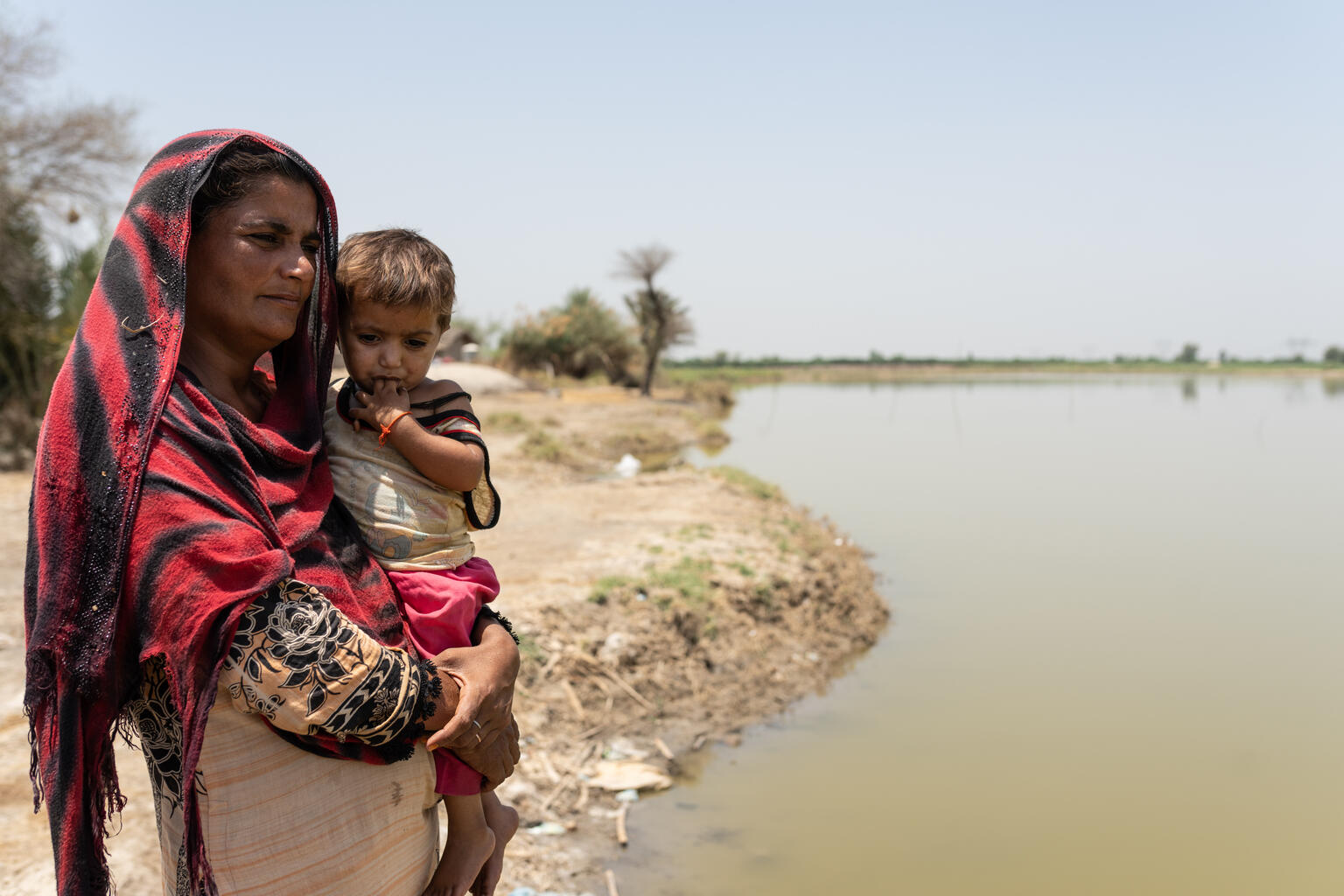
Benazir, 30, stands with her daughter, Oumara, 3, next to stagnant water that still remains more than 6 months after the devastating floods of 2022 in Pakistan.
In New Delhi, India, 13-year-old Monu lives in a slum near the severely polluted Yamuna River. His exposure to toxic air pollutants, particularly fine particulate matter (PM2.5), is significantly higher than that of many children in wealthier parts of the city. He attends a free, open-air school without any barriers to shield him from the surrounding pollution. The constant presence of dust and exhaust from nearby vehicles adds to the already hazardous air. His family uses a wood-burning stove for cooking and heating, which releases harmful soot into the air inside and outside their small home. Long-term exposure to high levels of PM2.5 has severe health consequences, increasing the risk of respiratory illnesses, heart disease, and reduced life expectancy. While families with financial means can shield themselves to some extent by using air filtration, children like Monu remain especially vulnerable, with little recourse against the health hazards posed by the city's toxic air.
Five-year-old Elisia lives in Kinshasa, the capital of the Democratic Republic of the Congo. Her father works hard to support the family through his informal business repairing car batteries outside their home, a process that releases toxic lead particles into the environment. Without any safety equipment, her father unknowingly exposes himself and his family to lead, a powerful neurotoxin, which can affect Elisia’s development. In Kinshasa, lead poisoning is widespread, affecting over 40% of children and linked to sources like battery recycling and contaminated dust, according to a 2011 study by the University of Kinshasa. Despite the risks, economic necessity drives families like Elisia’s to continue working with hazardous materials.
The real-time impacts of increasing global temperatures being witnessed by health providers like Edrisa Sinjanka, and of pollution being experienced every day by children like Elisia and Monu, require an urgent response. It is not enough to talk about environmental protection as an abstract goal—policymakers must focus on the lives and futures at stake, particularly for the youngest and most vulnerable. Children, who are more susceptible to environmental hazards, face long-term impacts on their health, including adverse birth outcomes, respiratory problems, cognitive impairments, and a greater risk of chronic diseases. Yet children—comprising of one-third of the global population and half of those living in extreme poverty—are often overlooked in countries’ responses to environmental challenges such as climate change. The intergenerational inequity follows the established inequities within and between countries, with the most disadvantaged children being at most risk.
In January 1990, the executive directors of UNICEF and UNEP, James Grant and Mostafa Tolba, signed a report on children and the environment. Pointing to the deadly confluence of threats that this article has just noted, the report highlighted that “The problem of environmental degradation is essentially a problem for children—not adults. They, and those still unborn—will inherit the Earth we leave them. Their futures are in our hands—only we can protect it for them.”
There can be no keener revelation of a society’s soul than the way in which it treats its children. Our responsibility is not only to give them life but also to shield that life from the environmental threats that jeopardize their health and their future.
Nelson Mandela, World Summit on Sustainable Development, 2002
Children are not little adults
Children are not little adults. During pregnancy and the early years of life, children’s bodies and systems are developing rapidly. Children breathe more air, consume more food, and drink more water than adults do, in proportion to their weight. Children have their entire lives ahead of them, giving more time for diseases triggered by early environmental exposures to develop as they grow older.
Children’s unique metabolism, physiology, behaviors, and developmental needs make them much more vulnerable to the multiple and overlapping environmental hazards that are all around them. They are less able than adults to regulate their body temperatures, making them more vulnerable to extreme temperatures. Their immune systems are not fully developed, which can make them unable to fight infections effectively. Their bodies are more likely to absorb toxicants and their internal detox mechanisms are still developing.
Children are particularly sensitive to these hazards during three distinct "windows of vulnerability": during pregnancy; during infancy and childhood; and then as they move through adolescence into their adult lives.

Children face unique vulnerabilities to environmental hazards at every stage of life
The Fragile Beginnings series examines the growing body of research on the unique vulnerabilities of children: in utero and at birth, during infancy and childhood and throughout adolescence. Its purpose is to enable evidence-based advocacy and action on children’s environmental health.
Pregnancy is the first critical window of vulnerability, when the developing fetus is very susceptible to environmental hazards such as extreme heat, toxic chemicals, or infectious diseases. While all women are at risk from the damage caused by environmental hazards during pregnancy, some women—particularly those living in poverty or those in low- and middle-income countries—are more vulnerable than others. Those at highest risk are women exposed to high levels of household air pollution in regions where unclean fuels are still used to cook, heat, and light homes. Women working in dangerous jobs such as informal e-waste recycling, artisanal small-scale gold mining, and in roles where pesticides are used are also at great risk as they are regularly exposed to harmful chemicals.
Adverse birth outcomes—miscarriages, stillbirth, preterm births, birth defects, and low birth weight—have been linked to exposure to multiple environmental hazards. Alarmingly, data suggest that most children today are born "pre-polluted" with numerous contaminants. A mother’s body can store harmful chemicals, sometimes over many years, and she can pass these along to her child during pregnancy and breastfeeding. Exposure to these pollutants in utero presents risks for a child’s ability to grow and develop and reach their full potential. This is not a challenge unique to developing countries. Biomonitoring studies in several high-income countries have shown that there is widespread exposure to chemicals in pregnant women.
However, climate impacts such as heatwaves expose deep inequalities. While many pregnant women may find shelter in air-conditioned rooms in the affluent parts of the world, poor women can find no such respite. A meta-analysis showed associations between temperature exposure during pregnancy and stillbirth, preterm birth, and low birth weight, with odds of stillbirth rising by 5% per 1°C increase in temperature. Women who give birth during extreme heat periods may be more likely to have newborns with illnesses. In Bangladesh, women were 14% more likely to have newborns with neonatal illnesses when giving birth on hot days, compared to those giving birth on cooler days.
Early exposure to extreme heat can have even longer term consequences. Every additional day with mean temperatures above 32 °C in utero and in the first year after birth is associated with a 0.1% reduction in adult annual earnings at age 30. Climate change impacts early in life hence have long-term, multidimensional implications.
Infancy and childhood are the second critical window of vulnerability for children, a period that shapes the trajectory of their lifelong physical, cognitive, and emotional health. In these critical early days, organ systems like the brain are developing rapidly. The developing brain creates billions of cells, which travel to specific areas in the brain and make connections that enable a child’s capacity to sense, move, communicate, and learn. The growth and development that are either protected or compromised during this window of vulnerability create the foundation upon which each child’s health is built. More than 90% of the young child’s brain is developed by age five.
Physical health in early childhood is linked to cognitive performance and emotional stability, just as poor health (due to malnutrition or exposure to toxins, for example) can impair brain development and social functioning. During this window of vulnerability, children’s exposure to toxic chemicals and pollutants increases through their daily activities. They breastfeed, crawl, and engage in hand-to-mouth activities, all of which are healthy developmentally, but which increase their exposure to harmful substances. Children can also be exposed to chemicals that their caregivers bring home from the workplace, such as pesticides, mercury, and lead, which increases their exposure even further. And because the detoxification mechanisms are not fully developed, toxic chemicals in their environments affect them disproportionately compared to adults.
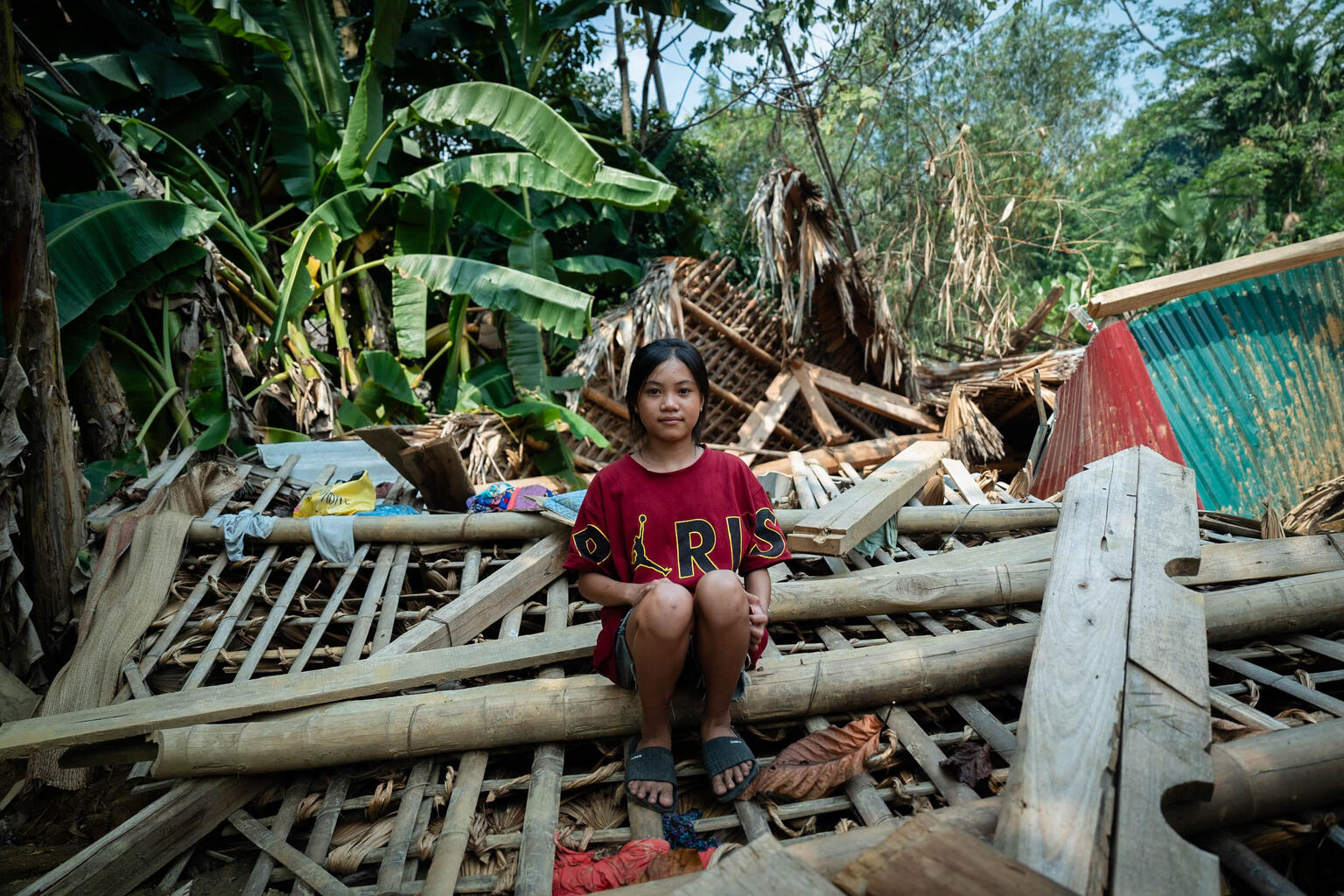
13-year-old girls sits on the ruins of a house destroyed by a landslide caused by Typhoon Yagi in Thuong village, Yen Bai province. On 7 September 2024, Super Typhoon Yagi, the strongest storm in Viet Nam in 70 years, made landfall, affecting 14 northern provinces and impacting the lives of millions of children and families.
Young children are also more susceptible to the impact of climate-related problems such as extreme heat, infectious and diarrheal disease outbreaks, contaminated water sources, and food scarcity. Children have lower thermoregulatory capabilities compared to adults. Lower levels of sweat production, compared to adults per unit of sweat gland, and their higher surface-area-to-mass ratio make them more receptive to absorbing heat from the environment. This leads to higher levels of mortality due to heat stroke and organ failure. Climate-change-related malnutrition, disease, and trauma can have lasting negative physical and mental consequences.
As children grow into adolescence, the third window of vulnerability opens. Important body systems mature, including those related to hormone function, reproduction, bone and brain growth, and mental and emotional health. Adolescents often face additional environmental health-related exposures as they have different exposures to the outside world, including in workplaces. They are also susceptible to certain hazards due to their physiological and behavioral characteristics. For instance, phthalates and bisphenol A (BPA)—found in plastics, cosmetics, and personal care products—can disrupt the hormonal balance during puberty. These chemicals mimic or interfere with hormones, leading to potential disruptions in reproductive development and an increased risk of obesity, diabetes, and fertility issues later in life. Adolescents who engage in more outdoor activities are especially vulnerable to air pollutants like nitrogen dioxide (NO2) and particulate matter (PM2.5). These pollutants are linked to reduced lung function, increased respiratory infections, and exacerbated asthma. Many of these young people carry a legacy of exposure into their adult lives, experiencing illnesses that can be traced back to toxic chemicals during childhood that may not emerge until they reach adulthood. These slower impacts are why toxic exposures during pregnancy and early childhood, with impacts that only emerge in adolescence, have been called a “silent pandemic.”
Climate change has a similarly negative and long-term impact on the health and well-being of adolescents. Extreme weather events such as floods, droughts, hurricanes, and heatwaves can significantly affect adolescents’ mental health, cognitive functioning, and overall brain development. This can vary between adolescent girls and boys due to differences in physical and psychosocial vulnerabilities, as well as disparities in access to resources. For example, in many communities, adolescent girls may be expected to take on caregiving roles—such as looking after younger siblings or helping at home—which can limit their ability to focus on schooling and other developmental opportunities. Adolescent boys may face pressure to contribute to the family’s income, sometimes being pushed into hazardous work or high-risk situations. This burden can impact their schooling and limit their cognitive and social development.
What Are the Major Hazards and How Do They Impact Children?
In the past 50 years, children’s environments and patterns of disease have changed significantly. Tremendous progress has been made in reducing child mortality and morbidity caused by communicable and neonatal illnesses, with the number of deaths in children under age 5 decreasing from 93 per 1,000 live births in 1990 to 37 per 1,000 live births in 2022. However, the rates of noncommunicable diseases related to environmental factors and climate change continue to rise. According to the U.S. Centers for Disease Control and Prevention, “Many infectious diseases are intensifying, and new threats are emerging because of longer summers, milder winters, more extreme weather events, and other environmental changes. These changes are making it easier for many mosquitoes, ticks, animals, and the infectious germs they spread to expand into new geographic areas and infect more people.”
Similarly, there is growing evidence on the links between toxic chemicals and chronic disease, including autism spectrum disorders, asthma, attention deficit hyperactivity disorder, obesity, and childhood cancers. The reality is that no one is safe or left untouched. These hazards exist in both urban and rural settings, at school and at home, and in every region of the world. However, while some level of exposure is felt globally, the children most at risk are those who are already the most deprived: children living in poorer, marginalized communities around the world, and children living in low- and middle-income countries where nearly 92% of pollution-related deaths occur. Most of these children and their families are already living with limited or no access to clean fuels and cooking technologies and with limited access to improved water sources and sanitation facilities, and they often have limited socioeconomic resilience to climate shocks like flooding, drought, extreme heat, and food scarcity.

Abheet Solomon, UNICEF senior advisor, stands outside a newly established neonatal care unit in rural Cambodia. This clinic specialized care for babies who are sick or born prematurely, often linked to environmental factors like air pollution.
Climate change intertwines with these existing vulnerabilities to place children at greater risk than ever before of death, disease, and adverse lifelong outcomes. The extraction and use of natural resources, combined with widespread contamination through pollution and waste, have fueled climate change; intensified the toxic pollution of water, air, and soil; caused ocean acidification; and devastated biodiversity and the very ecosystems that sustain all life. The extent and magnitude of the triple planetary crisis, comprising the climate emergency, the collapse of biodiversity, and pervasive pollution, profoundly imperil children’s health on a global scale.
The major environmental hazards can be grouped into three categories: climate change; polluted air, water, and soil; and unsafe built environments. Each of these presents a range of risks, and millions of children live in areas that experience multiple, overlapping climate and environmental hazards.
The extent to which current and future generations will experience a hotter and different world depends on choices now and in the near-term
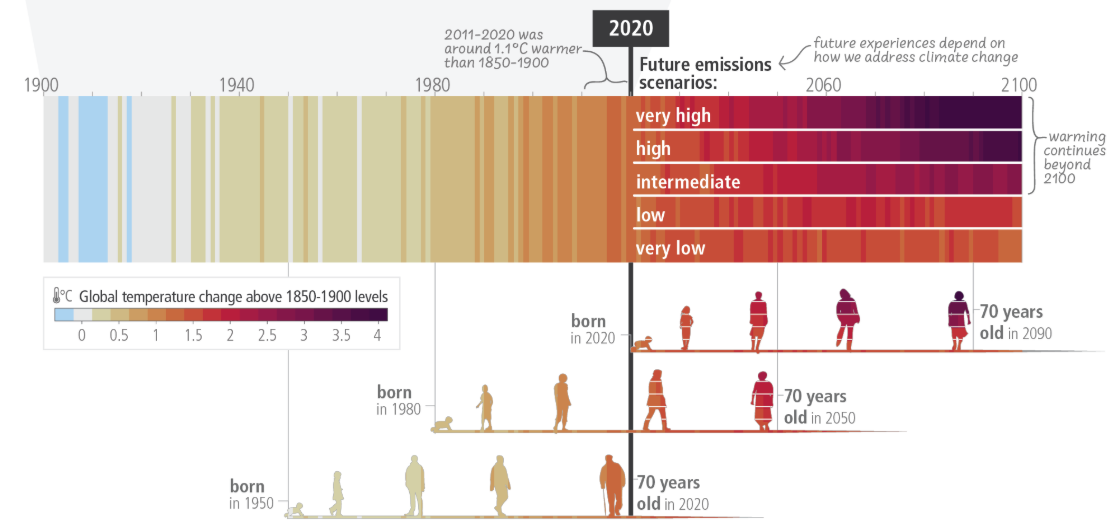
Source: IPCC, 2023: Summary for Policymakers. In: Climate Change 2023: Synthesis Report. Contribution of Working Groups I, II and III to the Sixth Assessment Report of the Intergovernmental Panel on Climate Change [Core Writing Team, H. Lee and J. Romero (eds.)]. IPCC, Geneva, Switzerland, pp. 7, doi: 10.59327/IPCC/AR6-9789291691647.001
The Intergovernmental Panel on Climate Change (IPCC) has reported that since the 19th century, greenhouse gas emissions from human activity are the main driver of climate change and that human-induced climate change is causing more frequent and extreme weather events far beyond natural climate variability. Approximately 1 billion—or nearly half—of the world’s children live in countries that are at “extremely high risk” from the impacts of climate change, according to UNICEF’s Children’s Climate Risk Index. Currently, 559 million children are exposed to high heatwave frequency, a number that is expected to rise to over 2 billion children globally by 2050. Worldwide, 953 million children are exposed to high or extremely high water-related stress. Over the last six years, 43.1 million internal displacements of children were linked to weather-related disasters—the equivalent of approximately 20,000 children displaced per day.
According to the IPCC, children born since 1990 are projected to experience a nearly fourfold increase in extreme events under 1.5 °C warming by 2100, and a five fold increase under 3 °C, compared to those born in 1960. Children born in 2020 will experience on average twice as many wildfires, 2.8 times the exposure to crop failure, 2.6 times as many drought events, 2.8 times as many river floods, and 6.8 times more heatwaves across their lifetimes, compared to those born in 1960. The intergenerational dimension is also deeply troubling. Children aged 10 or younger in 2020 are projected to experience a nearly fourfold increase in extreme events under 1.5°C of global warming by 2100, and a five fold increase under 3°C warming. Such increases in exposure would not be experienced by a person aged 55 in the year 2020 in their remaining lifetime under any warming scenario.
Droughts, floods, and severe weather, coupled with other environmental stressors, compound one another, marginalize pockets of society, and increase inequality. Droughts and flooding can destroy crops, disrupt water systems, and contaminate water reserves. Water scarcity can cause people to dig deeper in search of water, where the water can have higher proportions of harmful components, such as arsenic and salts. Children in low-income countries and poor, marginalized communities—including the 300–500 million in rapidly growing urban slums—are at heightened risk of harm from these impacts.
Malnutrition, underlying half of all under-five mortality globally, is set to increase globally due to extreme weather events affecting crop yields and access to food. By 2050, experts expect a 20% increase in child malnutrition due to climate change. In severe cases, malnutrition can lead to stunting—characterized by lower-than-average height for age—and lifelong cognitive disabilities from which a person can never recover. Acute malnutrition among children, adolescent girls, and women increased by 20–25% between 2020 and 2022 in countries most affected by intersecting crises.
Children’s mental health is also sensitive to the shocks and stresses that climate change brings. Severe weather events can destroy or disrupt infrastructure critical to their well-being, including schools, health facilities, and homes. Every year, 40 million children are having their education disrupted because of disasters exacerbated by climate change, including loss of access to schooling and damage to infrastructure. Extreme heat is also undermining educational access and learning outcomes. According to a 58-country assessment, each additional day above 26.7 °C during the three years preceding an exam lowered scores by 0.18% of a standard deviation, with the effect larger for lower income populations. Another study found that without air conditioning, for each 0.56 °C increase in school-year temperature, student achievement declined by the equivalent of 1% of a year’s learning.
Climate change is a threat multiplier, leading to social unrest and conflict within and between countries. There have been ample studies about climate-related displacement and migration. Children suffer most from these intersecting crises, and the collective inaction in mitigating climate change may result in today's children, and future generations, being the first to have poorer physical and mental health than prior generations.
Children also experience daily exposure to tens of thousands of toxic chemicals that circulate through the water, air, soil, food, and other products.
The World Health Organization (WHO) has identified 10 groups of chemicals that are of major public health concern: air pollution, arsenic, asbestos, benzene, cadmium, dioxin and dioxin-like substances, excess fluoride, lead, mercury, and highly hazardous pesticides. Air pollution alone was highlighted in “The State of Global Air 2024” report as a leading risk factor for death among children under 5 years of age during 2021, second only to malnutrition, and linked to the death of more than 700,000 children.
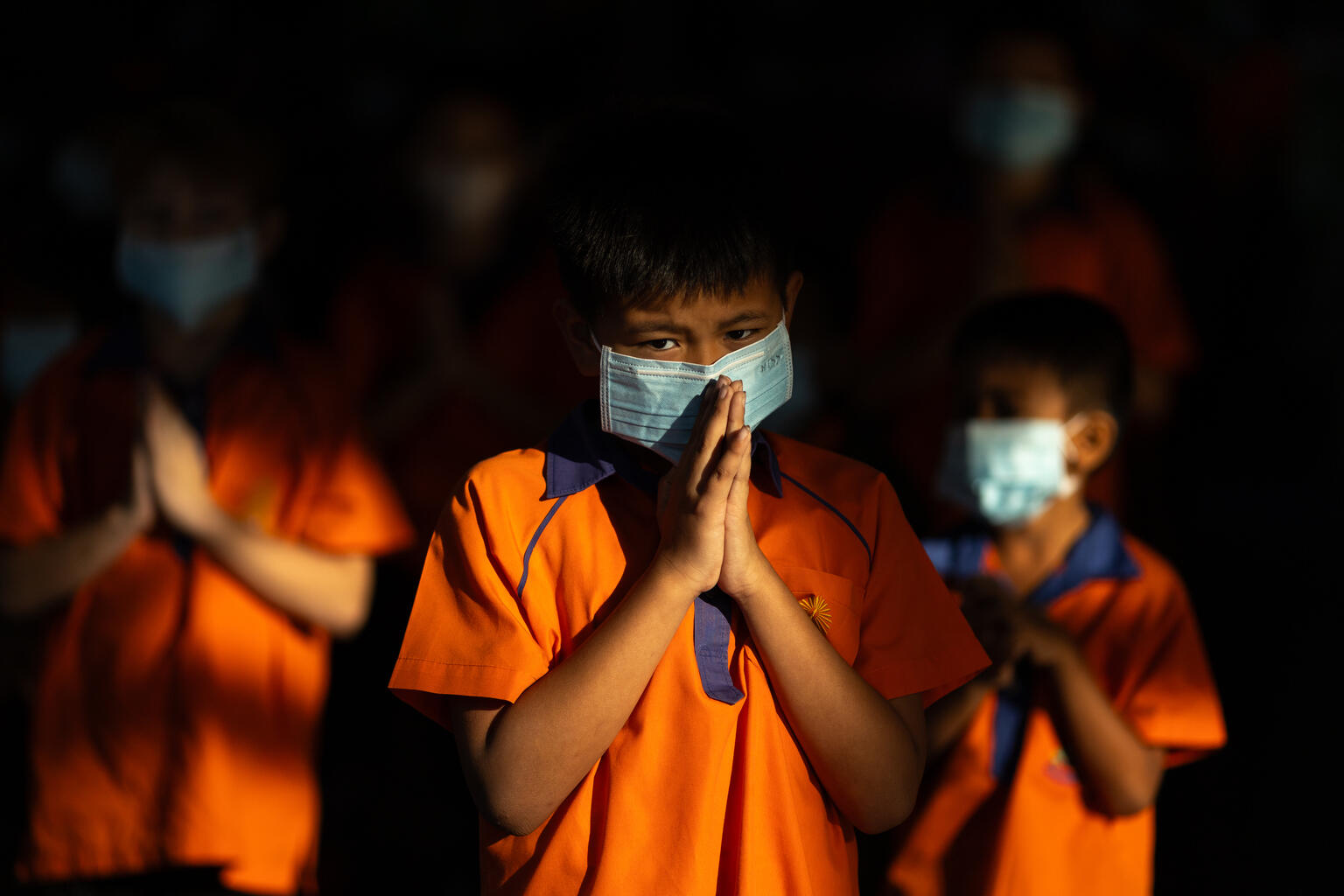
Students at Wat Wimuttayaram School, Bang Phlat District, Bangkok, wearing PM2.5 masks while praying after air pollution checks showed levels above the standard, starting to affect health.
The food we eat can also contain a wide range of contaminants, ranging from natural molds and mycotoxins (sometimes found in corn, wheat, barley, oats, rice, rye, nuts, and dried fruits, among others) to chemicals like methylmercury (commonly found in fish and seafood), pesticides, persistent organic pollutants, and other contaminants that have not yet been studied for their potential toxicity. Contamination can arise from chemicals in soil or livestock feed or when chemicals are ingested by fish or animals that are then consumed by humans. Chemicals can also be introduced through processing and packaging, by using pesticides and fertilizers, or through adulteration of food or spices to add color or weight.
Lead, in particular, is highly toxic and poisons almost half the children in many low- and middle-income countries. The sources of childhood lead exposure include but are certainly not limited to lead from active industry, such as mining and battery recycling; lead-based paint and pigments; legacy contamination from leaded gasoline; lead solder in food cans; lead in water from the use of leaded pipes; and lead in spices, cosmetics, Ayurvedic medicines, toys, and other consumer products. Parents whose occupations involve working with lead often bring contaminated dust home on their clothes, hair, hands, and shoes, thus inadvertently exposing their children to the toxic element. Children are also exposed to lead in utero through exposure of their mothers, with adverse impacts on neurobehavioural development that are comparable to those from childhood lead exposures. Often unwittingly and with life-altering consequences, children are growing up in harm's way.
According to the WHO, there is no known safe level of lead exposure. Relatively low levels of exposure that were previously considered “safe” have been shown to damage children's health and impair their cognitive development. Children under the age of 5 years are at the greatest risk of suffering lifelong neurological, cognitive, and physical damage and even death from lead poisoning. Older children and adults suffer severe consequences from prolonged exposure to lead in food, water, and the air they breathe, including increased risk of cardiovascular death and kidney damage in later life. With over 1.5 million deaths globally each year, the death toll from lead exposure far exceeds that from either HIV/AIDS or malaria.
Other growing sources of toxic environmental exposure for children are electrical and electronic waste, or e-waste, medical waste, landfills and household waste, and unsafe recycling. These sites can expose children to heavy metals and a range of toxic chemicals. Children who work at waste and recycling sites or live nearby are at particular risk.
There are also risks inherent in today’s “built environment,” the human-made surroundings ranging in scale from buildings and parks to neighborhoods and cities, often including supporting infrastructure. The built environment encompasses the systems that bring us water and electricity, sanitation facilities, the roads, bridges, and transportation systems we use, and the waste removal systems. The built environment can create risks for children’s health. Injuries are a leading cause of death for children, adolescents and youth aged 5 to 24 years. Injuries include road traffic injuries, drownings, burns, and falls—resulting from unsafe infrastructure and physical space. Additionally, only around one-third of the people in Africa and Asia who live in urban areas have access to public spaces within 400 meters of walking distance along a street network.
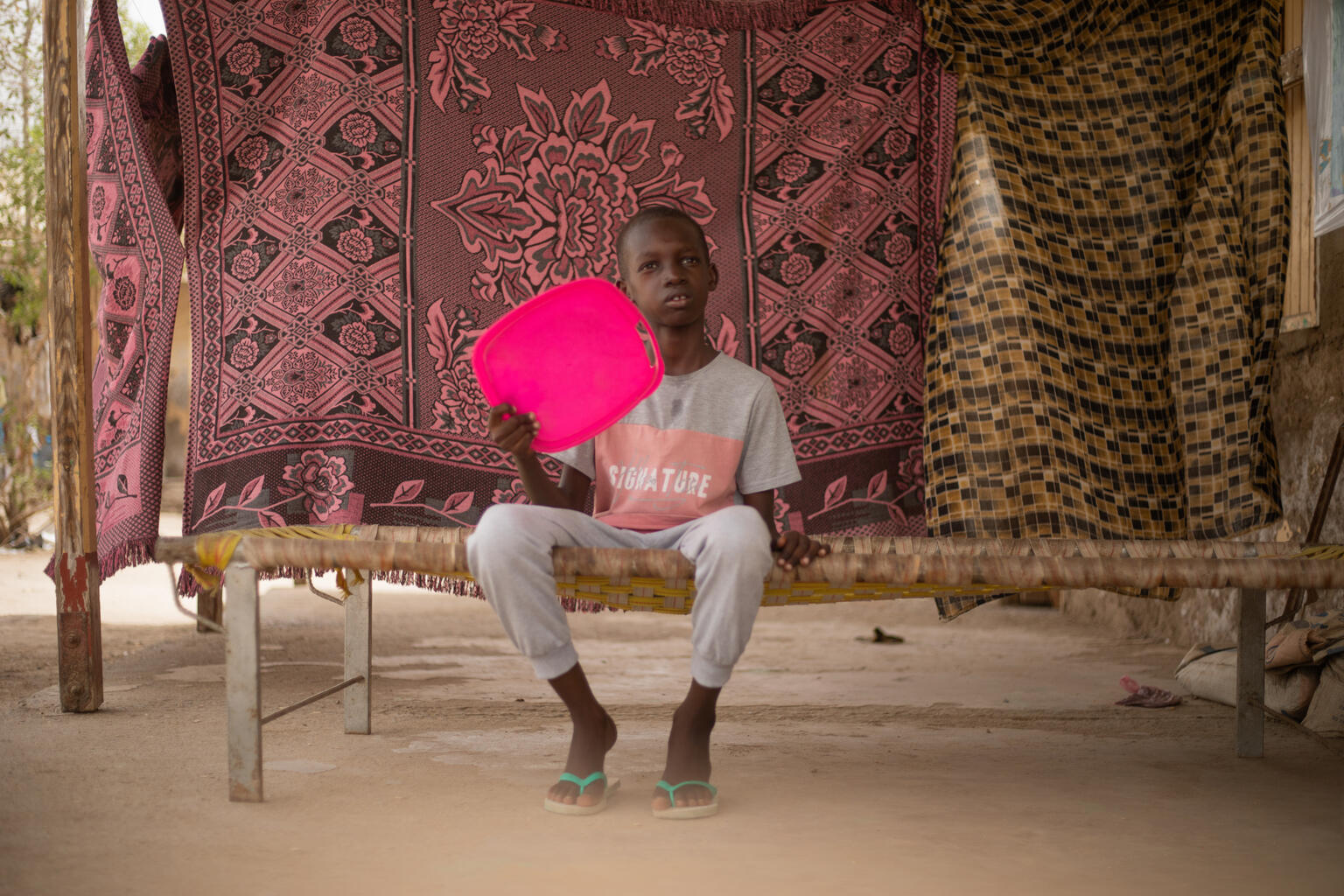
Ali, 10 years, sits under a roof and uses a plastic box lid to fan himself to cool down. In 2024, global temperatures have soared to unprecedented levels, causing a severe heatwave that is affecting millions of children in Sudan, especially those in vulnerable circumstances.
The Warning Lights Have Been On …
The body of evidence around the risks of environmental degradation and climate change has been available and growing for decades. The calls for action have similarly increased in urgency. Yet governments around the world, which hold the keys to protecting children, have so far failed to halt, or even significantly slow, the ever-increasing threat that climate change and exposure to environmental hazards pose to children’s health and well-being. In 2017, the WHO reported that more than 1 in 4 deaths of children under 5 years of age are attributable to unhealthy environments. Every year that passes means more lives lost and children’s minds and bodies that are damaged, often irreversibly.
The United Nations Committee on the Rights of the Child has explicitly affirmed children’s right to a clean, healthy, and sustainable environment, issuing comprehensive interpretation of member states’ obligations under the UN Convention on the Rights of the Child. In late 2023, General Comment #26 was issued, which specifies that states are responsible not only for protecting children’s rights from immediate harm, but also for foreseeable violations of their rights in the future due to states’ acts—or failures to act—today. It also underlines that states can be held accountable not only for environmental harm occurring within their borders, but also for the harmful impacts of environmental damage and climate change beyond their borders.
But while these statements of commitment are positive and needed, the warning about these issues was sounded more than 50 years ago. Young people's concern over the state of their environment—with their willingness to voice this concern—was a key element in the awakening of environmental awareness that led to the 1972 United Nations Conference on the Human Environment in Stockholm. Over 10 years later, in the mid to late 1980s, several conferences were held, and publications released, raising serious concerns about the impact of climatic change, particularly on children.
In 1990, UNICEF released “The State of the Environment: Children and the Environment.” The first line of its introduction reads, “Environmental degradation is killing children.” It goes on to outline the multiple and overlapping environmental issues affecting children’s health and advocates for change. It concludes by saying that “The state of our children, and the state of our environment, say more than anything else about the state of our civilization and the prospects of our future as a species.”
In 2002, a decade later, a joint UNEP, UNICEF, and WHO publication reported that “Children are exposed to a series of environmental threats to their health, physical and mental development—even their survival. Preliminary estimates suggest that up to one-third of the global burden of disease can be attributed to negative environmental indicators, such as polluted water and air.” This report went on to say that “The good news is that morbidity and mortality due to unhealthy environmental conditions are largely preventable by taking decisive action and finding innovative, healthy, cost-effective and sustainable ways to develop and improve our livelihoods."
Research and advocacy have continued throughout the decades following the 1972 conference in Stockholm, yet the decisive global action necessary to substantively reduce environmental hazards and halt climate change has not yet taken place. The many calls to action over the years demonstrate a clear and long-standing acknowledgment of the growing severity of the problems and the alarming impact on the health and survival of all living things on the planet, but real momentum has been elusive.
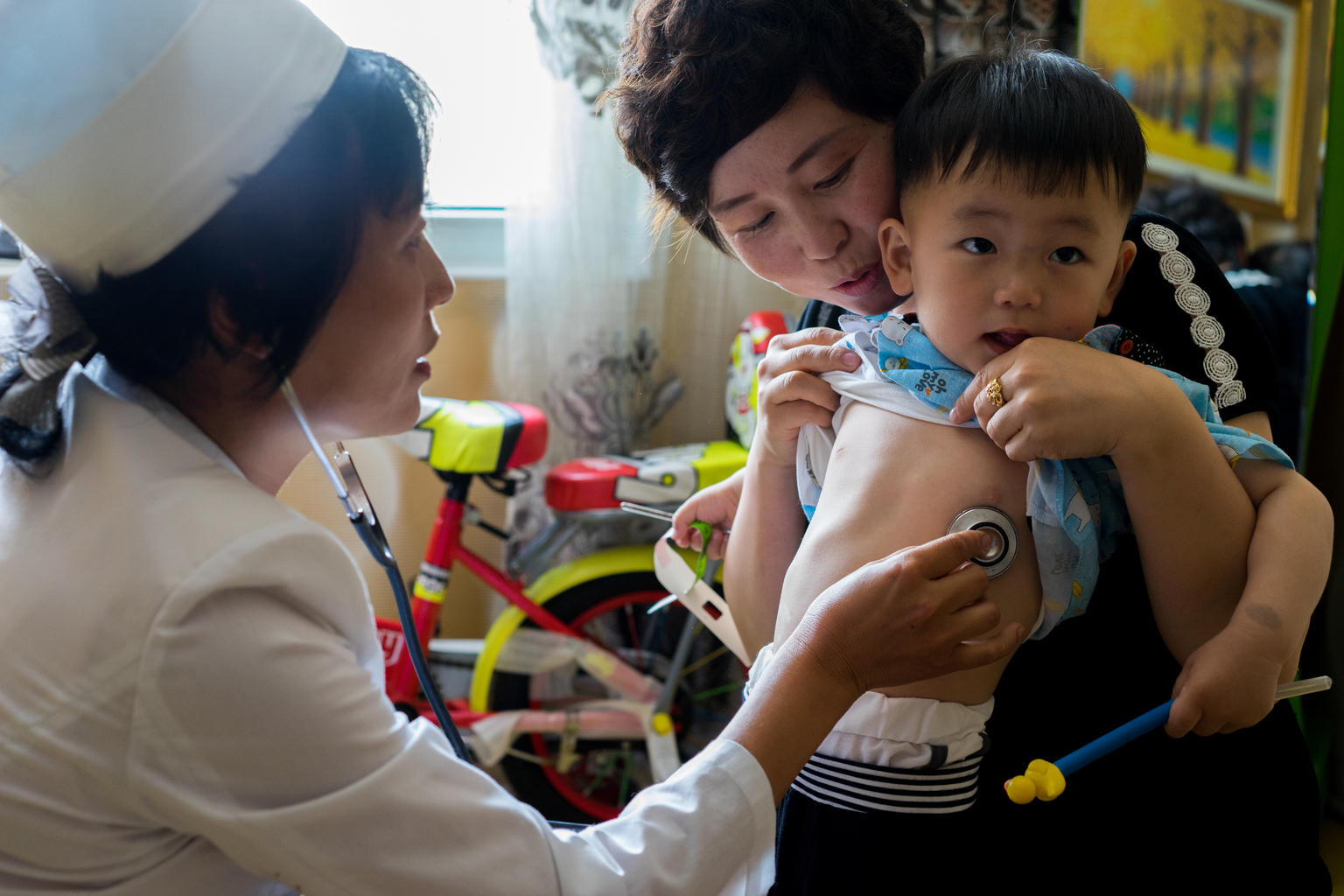
Dr Ju Song Hui, a household doctor in Jongju City, DPR Korea, checks on the health of two year old Jang Hun with his mother Pae Hye Sim. Dr Su Song Hui is using UNICEF's Household Doctors’ Bag, which is filled with essential medicines and equipment to help doctors quickly diagnose and treat patients on the spot.
The Path Forward
The success of collective environmental action will be judged by the health and future of the world’s children. These issues are no longer research questions or technical discussions. They must become, and remain, the dominant theme in development policy. The cost of inaction on prioritizing and investing in children’s environmental health is profound and far-reaching. Without intervention, millions of children will continue to suffer from preventable illnesses like asthma, developmental delays, and neurological disorders caused by exposure to pollution, toxicants, and climate-related hazards. These not only result in skyrocketing healthcare costs but also lead to a loss of human potential, with children unable to fully participate in education and economic activities, which ultimately stunts national development. The economic burden also extends to families and communities, resulting in increased poverty and inequality. By failing to protect children’s environmental health, societies risk perpetuating the cycles of poor health, limited opportunity, and diminished quality of life, undermining global development and resilience against future environmental challenges. At a bare minimum, the countries of the world require continuous internal monitoring systems, stronger policies, and significantly increased national investment in ensuring a healthier, safer future for everyone. Clear and tangible steps toward more effective protection of children’s health have been outlined in the United Nations Committee on the Rights of the Child, General Comment No. 26, on children’s rights and the environment with a special focus on climate change. There are five specific country-level actions that will create an immediate and critical shift in prioritizing present and future health for all.
Countries need to conduct national assessments and monitor children’s environmental health to identify and prioritize areas of concern, with due attention to age, gender, and geography. For example, Cambodia recently conducted its first children’s environmental health assessments and identified important risks and urgent collective actions that needed to be taken.
Those assessments must be followed by setting national targets and integrating child-specific interventions into health and environment-related policies, with the involvement of young people. This was done in Bangladesh, where children's environmental health and lead poisoning were prioritized in the Directorate General of Health Service Operational Plans of the 5th Health Population and Nutrition Sector program.
After setting priority actions, countries must adopt and enforce public health, environmental, climate, and labor laws, regulations and standards, to ensure healthy environments. A recent example of this is the 10-year strategy developed by the government of Georgia aimed at tackling the country’s lead problem. The strategy includes new regulations, stricter construction standards, and a lead surveillance system that makes use of new technology for blood collection.

On 23 September 2024, at UNICEF Headquarters in New York, UNICEF Youth Advocate Maria Marshall from Barbados speaks alongside Deputy Executive Director Kitty van der Heijden at an event on placing children at the heart of climate action during the UN General Assembly.
Establishing roles and responsibilities related to children’s environmental health and developing the skills and capacities of the people in those roles will ensure they can deliver on their environmental health mandates. In Bangladesh, Ghana, and Indonesia, training courses were developed on children’s environmental health issues to raise awareness among health care providers.
Finally, engaging communities, frontline service providers, and local governments on reducing environmental hazards and their impact on children’s health, development, and well-being will be critical in sustainability and buy-in. Countries like Belize have taken important steps in this direction, including tools like the development of risk communication materials on how to protect children from extreme heat in local languages that cover the relevant issues and can be shared widely.
Children's environmental health must move beyond anecdotal progress to become a global development priority, positioning children at the center of the intersection between environment, health, and sustainability. While individual success stories and isolated interventions are commendable, they fall short of addressing the systemic environmental threats that continue to compromise the well-being of millions of children worldwide. Prioritizing their health on a global scale ensures that investments are made in policies, technologies, and infrastructures that protect them from harmful environmental exposures. For an increasingly environmentally conscious generation, the failure to act collectively not only risks losing their trust in institutions but also jeopardizes their future—denying them the right to live in a world where they are healthy, empowered, and capable of responding to ongoing and future environmental challenges. To secure sustainable development, children must be acknowledged as the most crucial stakeholders in global health and environmental strategies.
Addressing children's environmental health also requires unprecedented collaboration across governments, businesses, civil society, and communities. Only joint efforts, like the Children’s Environmental Health Collaborative, can hope to tackle these complex issues that know no borders and affect everyone, particularly the most vulnerable. By pooling resources, sharing knowledge, and aligning policies, stakeholders can create impactful, lasting solutions that ensure a healthier environment for all children, securing a sustainable future for generations to come.